
Newborn Care · 9 min read
Wipes for Newborns: What to Know in the First 3 Months
The Kinder Clean Team ·
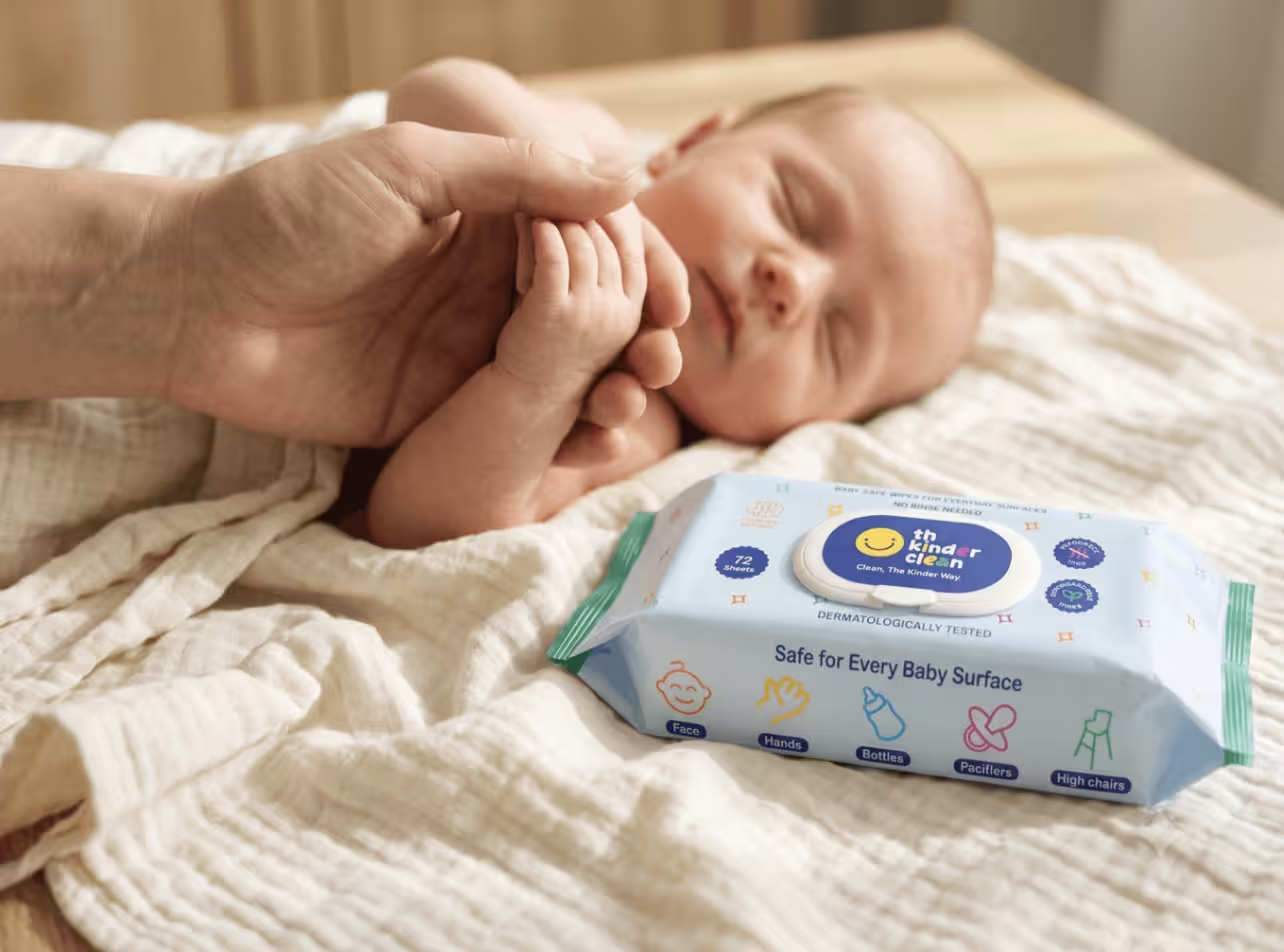
Welcoming a little one into your home brings immense joy, but it also introduces new responsibilities. During the first 90 days, your child's skin is incredibly sensitive and prone to irritation as it adjusts to the outside world.
Selecting the right cleaning products is a vital step in protecting that delicate barrier. Using high-quality newborn baby wipes can prevent common rashes and ensure every diaper change remains a gentle, soothing experience for your infant.
Making informed choices now helps maintain your child's comfort throughout these early, formative months. Prioritizing soft, fragrance-free materials will keep their skin healthy and happy while you navigate the challenges of parenthood.
Key takeaways
- The first three months are critical for protecting an infant's developing skin barrier.
- External irritants can easily cause discomfort during the transition from the womb.
- Choosing the correct cleaning supplies helps prevent common diaper area issues.
- Fragrance-free and hypoallergenic options are best for minimizing potential reactions.
- Proper hygiene routines ensure a more comfortable experience for both parent and child.
Understanding Newborn Skin Sensitivity
Your baby's skin is a marvel of nature, but it is also incredibly fragile during the first few months. Many new parents often ask, can you use baby wipes on newborn skin? The answer depends entirely on the quality and composition of the product you choose.
The Unique Structure of Infant Skin
Newborn skin is significantly thinner than adult skin, which makes it highly susceptible to external factors. Because the barrier function is not yet fully developed, infants experience rapid moisture loss and are more prone to irritation.
This natural protective mantle is still maturing, meaning it cannot easily fend off harsh chemicals or synthetic additives. To keep your little one comfortable, you must prioritize products that support this delicate balance rather than disrupting it.
Common Reactions to Harsh Products
When the skin barrier is compromised by improper cleansing, you may notice immediate signs of distress. Common reactions include:
- Persistent redness in the diaper area.
- Small, itchy bumps or patches of inflammation.
- Dry, flaky skin that appears irritated after cleaning.
Finding wipes that prevent flare-ups
Finding the best wipes for newborn skin is essential to prevent these uncomfortable flare-ups. When shopping, look specifically for baby wipes for sensitive newborn skin that are free from alcohol, fragrances, and harsh preservatives. By selecting gentle, hypoallergenic options, you provide the extra care your baby needs to stay happy and healthy.
Why Newborn Baby Wipes Require Special Consideration
Navigating the world of infant care starts with understanding why your baby's skin requires a gentle touch. While it may be tempting to grab whatever is on sale, choosing the right newborn baby wipes is a vital step in protecting their delicate health. Your baby's skin is still developing its natural defenses, making it much more reactive to external products than adult skin.
The Importance of pH Balance
A newborn's skin has a unique, slightly acidic protective layer known as the acid mantle. This barrier is essential for keeping moisture in and harmful bacteria out. When you use products that disrupt this balance, you leave your baby vulnerable to irritation and environmental stressors.
Using baby wipes for newborn skin that are specifically pH-balanced helps maintain this natural shield. By supporting the skin's acidic environment, you reduce the likelihood of redness and discomfort during those frequent diaper changes. Consistency is key when it comes to preserving this fragile layer during the first three months.
Why Standard Adult Wipes Are Not Suitable
Many parents often ask, are baby wipes safe for newborns if they are just standard household wipes? The reality is that most adult wipes are designed for tougher skin and often contain ingredients that are far too harsh for an infant. These products frequently include high levels of alcohol, strong fragrances, or aggressive surfactants that strip away natural oils.
You might wonder, do newborns need special wipes? The answer is a resounding yes, as the differences between adult and infant products are significant:
- Alcohol content: Adult wipes often use alcohol for quick drying, which can cause painful stinging on a newborn's sensitive areas.
- Surfactants: Harsh cleaning agents in adult wipes can lead to dryness and contact dermatitis.
- Fragrance levels: Synthetic scents in standard wipes are common triggers for respiratory and skin sensitivities.
Choosing specialized, gentle products
By opting for specialized, gentle products, you ensure that every cleaning session is safe and soothing. Prioritizing these features helps you avoid unnecessary skin issues while keeping your baby comfortable and happy.
Key Ingredients to Avoid in Newborn Wipes
Protecting your newborn's delicate skin requires a keen eye for potentially harmful additives. Many conventional products contain chemicals that can disrupt the natural barrier of an infant's skin. Learning to identify these substances is the first step in finding a safe wipes for newborn baby option that keeps your little one comfortable.
Identifying Synthetic Fragrances and Dyes
Synthetic fragrances are among the most common triggers for contact dermatitis in infants. Manufacturers often use these scents to mask the smell of other chemicals, but they offer no benefit to your baby. Always check the label for terms like “parfum” or “fragrance,” as these can hide dozens of undisclosed chemicals.
Similarly, artificial dyes serve only an aesthetic purpose. These colorants can cause unnecessary irritation on sensitive skin. When considering what wipes are safe for newborns, prioritize products that are completely free of both artificial colors and added perfumes.
The Risks of Alcohol and Parabens
Alcohol is frequently used in wipes to provide a quick-drying effect, but it strips the skin of its natural moisture. This can lead to painful dryness and cracking, especially in the diaper area. You should avoid ingredients like ethanol, isopropyl alcohol, and denatured alcohol entirely.
Parabens are another group of chemicals to avoid. These are often used as preservatives to extend shelf life, but they have been linked to potential hormonal disruptions. Choosing paraben-free products is a simple way to ensure you are using the safest possible materials for your child.
Hidden Preservatives to Watch For
Some preservatives are particularly harsh and can cause severe reactions in newborns. Ingredients such as methylisothiazolinone and phenoxyethanol are common in many mass-market brands. These substances are known to be potent allergens for infants with highly sensitive skin.
Synthetic Fragrances
- Common Examples
- Parfum, Linalool
- Why Avoid?
- High allergy risk
Harsh Alcohols
- Common Examples
- Isopropyl, Ethanol
- Why Avoid?
- Causes skin dryness
Preservatives
- Common Examples
- Parabens, Phenoxyethanol
- Why Avoid?
- Potential irritants
Artificial Dyes
- Common Examples
- Blue 1, Yellow 5
- Why Avoid?
- No functional benefit
| Ingredient Category | Common Examples | Why Avoid? |
|---|---|---|
| Synthetic Fragrances | Parfum, Linalool | High allergy risk |
| Harsh Alcohols | Isopropyl, Ethanol | Causes skin dryness |
| Preservatives | Parabens, Phenoxyethanol | Potential irritants |
| Artificial Dyes | Blue 1, Yellow 5 | No functional benefit |
Reviewing labels with confidence
By carefully reviewing labels, you can confidently determine what wipes are safe for newborns. Avoiding these common irritants helps maintain your baby's skin health during these crucial first months. Always look for simple, plant-based ingredient lists to provide the best care for your infant.
Benefits of Fragrance-Free Wipes for Newborns
Are fragrance-free wipes better for newborns when it comes to preventing irritation? Many pediatricians strongly suggest that parents prioritize these options to keep a baby's skin healthy and calm. By removing unnecessary additives, you create a gentle barrier that protects your little one from potential discomfort.
Reducing the Risk of Contact Dermatitis
Newborn skin is incredibly thin and highly absorbent, making it susceptible to reactions from harsh chemicals. Using fragrance free wipes for newborns significantly lowers the likelihood of developing contact dermatitis, which often presents as red, itchy, or inflamed patches. Consistency is key when managing such sensitive skin during the first few months of life.
When you choose products without synthetic perfumes, you eliminate common triggers that disrupt the natural skin barrier. This proactive approach helps maintain the skin's pH balance, ensuring that your baby stays comfortable throughout the day. Simple, clean ingredients are always the safest choice for a developing immune system.
Why Scented Products Can Irritate Developing Airways
Beyond the surface of the skin, the strong scents found in many baby wipes can pose hidden risks to a newborn's respiratory system. Infants have delicate, developing airways that are sensitive to volatile organic compounds often found in artificial fragrances. Even a pleasant-smelling wipe can release particles that may cause sneezing or respiratory distress in a tiny baby.
Opting for unscented alternatives is a proactive step in creating a safer environment for your child. By avoiding these unnecessary scents, you ensure that your baby breathes easier during every diaper change. Protecting your newborn from these invisible irritants is a simple way to support their overall well-being.
Evaluating Natural and Biodegradable Options
As sustainability becomes a priority for modern families, the market for eco-friendly baby care has expanded significantly. Many parents now seek products that offer peace of mind regarding both safety and environmental impact. Making the switch to greener alternatives is a simple way to support your baby's health while reducing your household waste.
Understanding COSMOS Natural Standards
When you shop for baby care, you may notice various labels and certifications on the packaging. The COSMOS standard is a globally recognized benchmark that ensures products meet strict criteria for organic and natural ingredients. Choosing cosmos natural wipes for newborns provides assurance that the materials are sourced responsibly and processed without harmful chemicals.
These standards strictly prohibit the use of synthetic dyes, parabens, and aggressive preservatives. By following these guidelines, manufacturers ensure that the product remains gentle on a newborn's sensitive skin. You can feel confident that these items prioritize purity and transparency in every single wipe.
Environmental Impact of Disposable Wipes
Traditional disposable wipes often contain plastic fibers that do not break down in landfills. These materials can persist in the environment for decades, contributing to long-term pollution. Opting for biodegradable wipes for newborns helps minimize your carbon footprint by ensuring the product decomposes more naturally over time.
Many eco-conscious brands now use plant-based fibers like bamboo or organic cotton to create their products. These materials are not only better for the planet but are often softer and more breathable for your baby. The following table highlights the key differences between standard and eco-friendly options to help you make an informed decision.
Material Base
- Standard Wipes
- Synthetic/Plastic Blend
- Natural/Biodegradable Wipes
- Plant-based (Bamboo/Cotton)
Decomposition
- Standard Wipes
- Very Slow
- Natural/Biodegradable Wipes
- Rapid/Compostable
Chemical Profile
- Standard Wipes
- Often Contains Fragrances
- Natural/Biodegradable Wipes
- Strictly Natural Ingredients
Skin Sensitivity
- Standard Wipes
- May Cause Irritation
- Natural/Biodegradable Wipes
- Dermatologically Gentle
| Feature | Standard Wipes | Natural/Biodegradable Wipes |
|---|---|---|
| Material Base | Synthetic/Plastic Blend | Plant-based (Bamboo/Cotton) |
| Decomposition | Very Slow | Rapid/Compostable |
| Chemical Profile | Often Contains Fragrances | Strictly Natural Ingredients |
| Skin Sensitivity | May Cause Irritation | Dermatologically Gentle |
Dermatologically Tested Wipes for Newborns
When you shop for your little one, you likely look for specific safety labels on the packaging to ensure you are making the best choice. Many parents rely on the term dermatologically tested wipes for newborns to guide their purchasing decisions. Understanding these terms is a vital step in building a safe and gentle skincare routine for your baby.
What Clinical Testing Actually Means
Clinical testing is a rigorous process designed to evaluate how a product interacts with human skin. When a company claims a product is dermatologically tested, it usually means the formula underwent patch testing on a group of volunteers under the supervision of a dermatologist. This process helps identify potential irritants before the product ever reaches the store shelves.
These tests are specifically conducted to ensure that the wipes do not cause allergic reactions or skin inflammation. Because infant skin is much thinner and more permeable than adult skin, these clinical trials are essential for verifying safety. You can feel more confident knowing that a product has been scrutinized by professionals to meet high safety standards.
Interpreting Labels and Certifications
Navigating the various seals and labels on baby products can be confusing for new parents. While “dermatologically tested” is a great starting point, other certifications provide additional layers of assurance. Look for labels that indicate the product is hypoallergenic or free from harsh chemicals, as these often complement the testing process.
It is helpful to understand what these common industry certifications actually represent when you are comparing different brands. The following table breaks down what you should look for to ensure you are buying high-quality, safe products for your newborn.
Dermatologically Tested
- What It Means
- Evaluated by skin experts
- Benefit for Baby
- Reduced risk of irritation
Hypoallergenic
- What It Means
- Low potential for allergies
- Benefit for Baby
- Safe for sensitive skin
Fragrance-Free
- What It Means
- No synthetic scents added
- Benefit for Baby
- Prevents respiratory distress
COSMOS Natural
- What It Means
- Strict organic standards
- Benefit for Baby
- Eco-friendly and pure
| Certification Label | What It Means | Benefit for Baby |
|---|---|---|
| Dermatologically Tested | Evaluated by skin experts | Reduced risk of irritation |
| Hypoallergenic | Low potential for allergies | Safe for sensitive skin |
| Fragrance-Free | No synthetic scents added | Prevents respiratory distress |
| COSMOS Natural | Strict organic standards | Eco-friendly and pure |
Combining certifications with label reading
Always remember that labels are just one part of the puzzle. By combining your knowledge of these certifications with a careful review of the ingredient list, you can confidently select the best dermatologically tested wipes for newborns to keep your baby comfortable and clean.
How to Safely Use Wipes on a Newborn Face and Hands
Caring for a baby's delicate skin requires a gentle touch, especially when you are cleaning their face and hands. Because infant skin is significantly thinner than adult skin, it is prone to irritation from friction and harsh chemicals. Choosing the right wipes for newborn face and hands is the first step in maintaining a healthy skin barrier.
Frequency of Cleaning Sensitive Areas
New parents often ask, how often should you wipe a newborn's face? The truth is that you do not need to clean these areas after every single feeding or activity. Over-cleaning can strip away natural oils that protect the skin from dryness and environmental irritants.
It is usually sufficient to wipe your baby's face after feedings to remove milk residue or drool. For their hands, a quick clean is helpful after they have been touching surfaces or playing. Consistency is key, but moderation prevents unnecessary exposure to moisture and potential allergens.
Techniques to Prevent Skin Chafing
When you do need to clean your baby, always use gentle wipes for newborns that are free from alcohol and synthetic fragrances. Avoid aggressive scrubbing, which can lead to redness and painful chafing. Instead, use a soft, patting motion to lift away dirt or food particles without dragging the wipe across the skin.
If you notice any signs of irritation, such as small bumps or persistent redness, switch to a simple cloth dampened with warm water. Always ensure the skin is completely dry after cleaning, as trapped moisture in skin folds can lead to rashes. Following these simple steps will keep your baby comfortable and their skin smooth.
Face Cleaning
- Recommended Method
- Pat gently with soft wipe
- Frequency
- After feedings
Hand Hygiene
- Recommended Method
- Wipe palms and fingers
- Frequency
- As needed
Skin Fold Care
- Recommended Method
- Pat dry thoroughly
- Frequency
- Daily
| Action | Recommended Method | Frequency |
|---|---|---|
| Face Cleaning | Pat gently with soft wipe | After feedings |
| Hand Hygiene | Wipe palms and fingers | As needed |
| Skin Fold Care | Pat dry thoroughly | Daily |
Managing Diaper Rash with Proper Wiping Techniques
When your baby develops a rash, the way you clean them becomes just as important as the cream you apply. Choosing the right newborn skin care wipes can help, but your technique is the true key to comfort. Even the softest materials can cause friction if used incorrectly on inflamed skin.
Gentle Wiping vs. Patting Dry
Many parents instinctively wipe back and forth to ensure the area is clean. However, this motion often drags debris across raw skin, which increases irritation. Instead, try a gentle patting motion to lift away moisture and waste without rubbing the surface.
Patting allows you to maintain hygiene while protecting the skin barrier. If you must use newborn skin care wipes, ensure they are damp and free of harsh chemicals. A light touch is always better than a firm scrub when the skin is already compromised.
When to Skip Wipes Entirely
There are specific moments when even the most premium newborn skin care wipes should be set aside. If your baby has open sores, bleeding, or severe, angry-looking redness, the friction of a wipe may cause more harm than good. In these cases, it is best to skip the wipe entirely to allow the skin to breathe.
Instead, use a soft cloth soaked in warm water to gently dab the area clean. Air drying is another powerful tool; let your baby spend a few minutes without a diaper to help the skin recover naturally. Once the inflammation subsides, you can slowly reintroduce your preferred newborn skin care wipes into your daily routine.
Comparing Hospital-Safe Wipes vs. Retail Options
Many new parents find themselves wondering if the products used in the hospital are truly better than what they can buy at the store. While it is natural to want the very best for your newborn, it helps to understand why certain items are chosen for clinical settings. Choosing hospital-safe baby wipes often comes down to prioritizing simplicity and safety above all else.
What Hospitals Use and Why
Medical facilities prioritize products that minimize the risk of allergic reactions or skin irritation. Most hospital-safe baby wipes are fragrance-free, alcohol-free, and contain a very short list of ingredients. These items are designed to be neutral, ensuring they do not trigger sensitivities in infants with developing skin barriers.
Hospitals often select these specific wipes because they are dermatologically tested and proven to be gentle on fragile skin. By using products with minimal additives, nurses can safely clean newborns without worrying about potential chemical reactions. This focus on purity is the primary reason these supplies are considered the gold standard for early infant care.
Transitioning from Hospital Care to Home Care
When you return home, you do not necessarily need to hunt for the exact brand used in the maternity ward. Instead, look for retail products that mirror the hypoallergenic and fragrance-free qualities of those professional supplies. Reading the ingredient label is your best tool for finding a suitable replacement that keeps your baby comfortable.
If you are unsure where to start, look for labels that explicitly state the product is suitable for newborn skin. Many reputable brands now offer versions that are just as safe as hospital-grade options. By prioritizing minimalist ingredient lists, you can successfully maintain the same level of protection your baby enjoyed during their first few days of life.
Chemical-Free and No-Rinse Alternatives
Sometimes the best way to care for a newborn is to go back to basics with simple, natural methods. If you are constantly asking yourself, what wipes should I use on a newborn?, you are certainly not alone. Many parents find that the most effective way to clean a delicate infant is to avoid commercial products entirely when skin irritation occurs.
Using Cotton Balls and Water
For parents of newborns with extreme skin sensitivity, traditional cotton balls and warm water remain the gold standard. This method is completely chemical free wipes for babies, ensuring that no synthetic fragrances or preservatives touch your child's skin. Simply dip a soft cotton ball into lukewarm water and gently pat the area clean.
This approach is highly recommended for the first few weeks of life when the skin barrier is still developing. It eliminates the risk of allergic reactions to ingredients found in even the most natural store-bought options. Consistency and gentleness are the keys to keeping your baby comfortable during every diaper change.
Benefits of No-Rinse Cleansing Solutions
If you need more convenience than water alone, no rinse wipes for babies or specialized cleansing waters are excellent alternatives. These products are designed to lift away impurities without the need for harsh surfactants that require rinsing. They provide a soothing experience while maintaining the natural pH balance of your baby's skin.
Choosing these solutions offers several distinct advantages for busy parents:
- Portability: Perfect for quick cleanups while on the go.
- Gentle Formulation: Free from alcohol, parabens, and synthetic dyes.
- Efficiency: Cleans effectively without leaving a sticky residue behind.
A calm, irritation-free process
By incorporating these gentle alternatives into your daily routine, you can protect your newborn's delicate skin from unnecessary exposure to chemicals. Whether you choose simple water or a specialized no-rinse solution, your baby will benefit from a calm and irritation-free cleaning process.
Establishing a Routine for the First 3 Months
A streamlined diaper station is essential for managing the frequent changes required in the first 90 days. Organization is your best friend when you are navigating the sleep-deprived haze of early parenthood. By keeping everything in one place, you reduce stress and ensure your baby stays comfortable.
Creating a Consistent Diaper Change Station
To build an efficient setup, choose a location that is central to your home. Keep your supplies within arm's reach so you never have to leave your baby unattended on the changing table. Selecting the best baby wipes for first 3 months is a critical part of this process, as you want a product that is gentle on delicate skin.
Organize your station with bins or caddies to categorize items. You should have fresh diapers, a waterproof changing pad, and a diaper rash cream ready to go. Having a dedicated spot for your best baby wipes for first 3 months ensures you can grab them quickly during a messy change.
Stocking Essentials for Nighttime Changes
Nighttime changes require a different approach to keep your baby calm and sleepy. Use a dim nightlight to see what you are doing without fully waking your little one. Efficiency is key here, so keep a small basket of essentials right next to your bedside or the nursery chair.
Stocking extra supplies in this secondary location prevents unnecessary trips to the nursery. Ensure you have a stack of clean diapers and a fresh pack of wipes ready for those 3:00 AM wake-up calls. This preparation allows you to return to sleep much faster.
Diapers
- Purpose
- Hygiene and comfort
- Frequency of Use
- High
Sensitive Wipes
- Purpose
- Gentle cleaning
- Frequency of Use
- High
Rash Cream
- Purpose
- Skin protection
- Frequency of Use
- Medium
Changing Pad
- Purpose
- Surface protection
- Frequency of Use
- High
| Supply Item | Purpose | Frequency of Use |
|---|---|---|
| Diapers | Hygiene and comfort | High |
| Sensitive Wipes | Gentle cleaning | High |
| Rash Cream | Skin protection | Medium |
| Changing Pad | Surface protection | High |
Conclusion
Selecting the right wipes for your newborn serves as a foundational step in supporting skin health during those first three months. You provide a protective barrier against irritation by choosing fragrance-free, dermatologically tested, and gentle ingredients.
Brands like WaterWipes or Honest Company offer reliable options that prioritize purity for sensitive infants. Every baby reacts differently to various materials and solutions. Observing how your little one responds to specific products allows you to refine your care routine with confidence.
Consistency remains your best tool for maintaining healthy skin. Keep your diaper station stocked with high-quality, hypoallergenic supplies to handle every change with ease. Your attention to detail during these early weeks builds a safe environment for your child to grow and thrive.
Share your experiences with different brands or ask questions about specific ingredients in the space below. Engaging with other parents helps build a supportive community for navigating the challenges of newborn care. Your journey into parenthood is unique, and finding the perfect products makes the process much smoother for everyone involved.
Quick answers
- What wipes should I use on a newborn?
- For the first 90 days, it is best to use the best wipes for newborn skin that prioritize high water content and minimal additives. Pediatricians often recommend WaterWipes, which consist of 99.9% purified water and a drop of fruit extract, making them some of the most gentle wipes for newborns available today. These are ideal for protecting the skin's natural barrier during the critical transition from the womb.
- Are fragrance-free wipes better for newborns?
- Yes, fragrance free wipes for newborns are much safer because synthetic scents are a leading trigger for contact dermatitis and can irritate a baby's developing respiratory system. Choosing a safe wipes for newborn baby option like Pampers Pure Protection ensures that you are avoiding unnecessary chemicals while providing a soft, hypoallergenic clean for your little one.
- Can you use baby wipes on newborn skin for the face and hands?
- You can, provided you use wipes for newborn face and hands that are specifically formulated for extra-sensitive areas. Look for dermatologically tested wipes for newborns that do not contain harsh surfactants. For daily messes, a chemical free wipes for babies approach or a simple soft cloth with warm water is often the most soothing choice for their delicate facial skin.
- How often should you wipe a newborn's face?
- You should only wipe a newborn's face as needed, typically after feedings or to clear away spit-up, to prevent over-cleansing and dryness. Using no rinse wipes for babies allows you to keep them clean without the need for constant scrubbing, which helps preserve the integrity of their thin skin barrier during the first 3 months.
- What wipes are safe for newborns with extremely sensitive skin?
- When looking for what wipes are safe for newborns with high sensitivity, prioritize those with clinical certifications. Options like Huggies Natural Care are specifically designed as baby wipes for sensitive newborn skin, as they are pH-balanced and free from parabens and elemental chlorine, helping to prevent redness and inflammation.
- Do newborns need special wipes compared to older babies?
- Yes, newborn skin care wipes are necessary because an infant's skin is significantly thinner and more absorbent than an older child's. The best baby wipes for first 3 months focus on maintaining a slightly acidic pH to protect against bacteria. Many parents prefer hospital-safe baby wipes during this stage to ensure they are using the purest ingredients possible.
- Are biodegradable wipes for newborns a good choice for daily care?
- Absolutely. Biodegradable wipes for newborns, such as those from Eco by Naty, are an excellent choice for eco-conscious parents. These often meet COSMOS natural wipes for newborns standards, meaning they are made from plant-based materials and are free from plastic fibers, making them both a safe wipes for newborn baby and a win for the planet.
- What should I do if my baby develops a diaper rash?
- If a rash occurs, it is important to switch to the most gentle wipes for newborns or even skip wipes entirely for a few days. Using cotton balls and warm water is a great chemical free wipes for babies alternative. When you do use wipes, remember to pat the skin dry rather than rubbing, as friction can further compromise the delicate skin structure.