
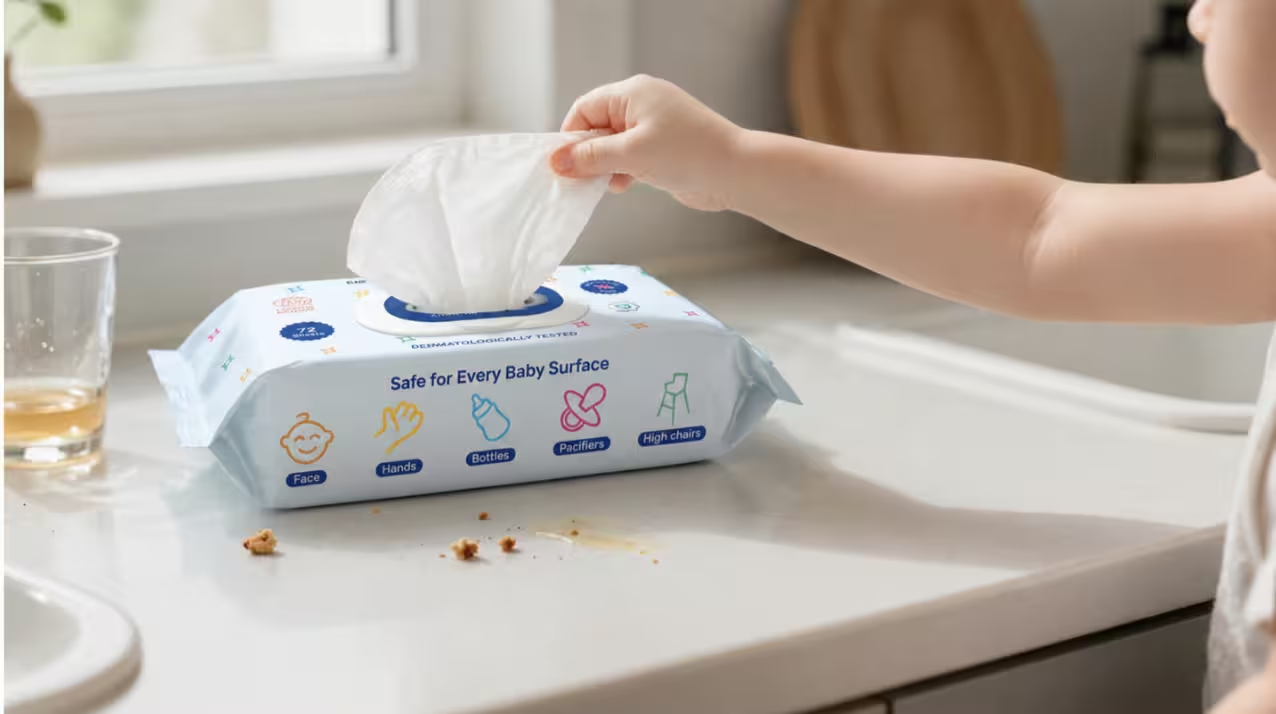
Modern parenting often feels like a race against the clock. When managing daily hygiene for infants, choosing the right tools can significantly impact your schedule. Many families find themselves weighing the pros and cons of wet wipes vs cloth wipes to determine the best fit for their lifestyle.
Disposable options remain the gold standard for busy households across the United States. Their unmatched convenience allows parents to handle messes quickly without the need for extra laundry. You simply use them and toss them away, saving precious time during hectic days.
Reliability is another major factor that keeps disposable products at the top of the list. These items are designed for immediate use, ensuring that you are always prepared for unexpected situations. By prioritizing efficiency, parents can focus more on bonding with their little ones rather than managing cleaning supplies.
Key takeaways
- Disposable hygiene products offer superior convenience for active, modern families.
- Time management is a primary benefit of choosing single-use cleaning solutions.
- Reliability makes disposables a preferred choice for handling infant messes on the go.
- Reducing laundry loads helps busy parents maintain a more manageable daily routine.
- Choosing the right product depends on balancing personal values with practical needs.
The Evolution of Baby Hygiene: Wet Wipes vs. Reusable Cloth Wipes
Baby care routines have evolved significantly, moving away from labor-intensive practices toward streamlined, efficient solutions. As families navigate the complexities of modern life, the debate regarding disposable wipes vs reusable wipes has become a central topic for new parents. Understanding this transition helps clarify why specific products have become the standard in households across the United States.
Historical context of diapering methods
For generations, parents relied exclusively on washable fabrics to maintain hygiene during diaper changes. This traditional approach required constant washing, drying, and folding, which consumed a significant portion of a parent's day. When evaluating cloth wipes vs disposable wipes for babies, it is important to recognize that the former was once a necessity rather than a lifestyle choice.
“The greatest gift we can give to modern parents is the gift of time, allowing them to focus on what truly matters: the bond with their child.”
Modern expectations for baby care
Today, the focus has shifted toward maximum convenience and superior performance. Many parents now ask, are cloth wipes better than disposable wipes? — often finding that the immediate, single-use nature of disposables aligns better with their busy schedules.
When considering disposable vs cloth wipes for newborns, the primary advantage of modern wipes lies in their consistent moisture levels and hygienic design. These products are engineered to provide gentle, effective cleaning without the need for additional preparation or post-change cleanup. By prioritizing efficiency, families can spend less time on maintenance and more time enjoying precious moments with their infants.
The Unmatched Convenience of Disposable Baby Wipes
When comparing wet wipes vs cloth wipes, the sheer convenience of disposables often takes center stage for modern families. Parents today juggle numerous responsibilities, making time-efficient tools essential for daily care.
Time-saving benefits for busy parents
Disposable wipes offer a significant time-saving advantage by eliminating the need for rinsing, washing, or drying cycles. Once a diaper change is complete, the wipe is simply discarded, allowing parents to move on to the next task immediately.
This streamlined process reduces the mental load associated with maintaining a clean supply of fabric alternatives. By removing the laundry component, families can dedicate more quality time to their children.
Portability and on-the-go utility
The lightweight nature of disposable wipes makes them an ideal companion for travel and errands. They fit easily into any diaper bag, ensuring that a fresh cleaning solution is always within reach.
Whether you are at the park or visiting family, these products provide seamless utility without the need for bulky storage containers. You never have to worry about carrying soiled fabrics home in a wet bag.
Consistency in product quality and moisture levels
One common question is: do cloth wipes work as well as disposable wipes? While cloth options have their merits, disposables provide a level of consistent moisture that is difficult to replicate at home.
Each wipe is manufactured to maintain the perfect balance of hydration and cleaning agents. This reliability ensures that every diaper change is handled with the same high standard of care, regardless of the environment.
Analyzing the Gentle Care and Skin Health Benefits
Modern disposable wipes offer a sophisticated approach to infant hygiene that prioritizes delicate skin. Manufacturers invest heavily in research to ensure that every wipe supports the natural protective barrier of a newborn. By focusing on dermatological safety, these products provide a reliable solution for daily care.
Why disposable wipes are formulated for delicate skin
The primary advantage of high-quality disposable wipes lies in their engineered material composition. Unlike traditional fabrics, these wipes are designed to be hypoallergenic and free from harsh fibers that might cause irritation. When considering cloth wipes vs wet wipes for sensitive skin, the consistency of disposable options often provides a safer baseline for infants prone to rashes.
The role of pH-balanced ingredients
Maintaining the correct skin pH is vital for preventing diaper dermatitis. Disposable wipes are specifically formulated to match the slightly acidic nature of a baby's skin, which helps neutralize potential irritants. This pH-balanced approach ensures that the skin's acid mantle remains intact even during frequent cleaning sessions throughout the day.
“The skin of an infant is significantly thinner and more permeable than that of an adult, requiring products that respect its delicate biological balance.” — Pediatric Dermatology Association
Reducing friction during diaper changes
Friction is a leading cause of discomfort and redness in the diaper area. High-end disposable wipes feature a soft, quilted texture that glides effortlessly over the skin, minimizing the need for repetitive scrubbing. Many parents often ask, are reusable wipes better for baby's skin? While cloth has its merits, the superior softness and moisture-locking capabilities of modern disposables significantly reduce mechanical stress on the skin.
Texture
- Disposable Wipes
- Ultra-soft/Quilted
- Reusable Cloth
- Varies by fabric
pH Balance
- Disposable Wipes
- Scientifically Formulated
- Reusable Cloth
- Dependent on detergent
Friction Level
- Disposable Wipes
- Minimal
- Reusable Cloth
- Moderate
Convenience
- Disposable Wipes
- High
- Reusable Cloth
- Low
| Feature | Disposable Wipes | Reusable Cloth |
|---|---|---|
| Texture | Ultra-soft/Quilted | Varies by fabric |
| pH Balance | Scientifically Formulated | Dependent on detergent |
| Friction Level | Minimal | Moderate |
| Convenience | High | Low |
Understanding the Practicality of Reusable Cloth Wipes
Understanding the practical side of cloth wipes is essential for any parent considering a switch. While many families appreciate the environmental impact, it is important to weigh the pros and cons of reusable baby wipes before committing. Transitioning to cloth wipes for babies requires a dedicated system to ensure hygiene and efficiency during every diaper change.
The learning curve of washing and storage
The biggest hurdle for new users is mastering the workflow of washable baby wipes. You must establish a clear separation between clean and soiled items to prevent cross-contamination. Most parents find that a two-bin system works best for keeping the nursery organized and sanitary.
Storage is not just about space; it is about accessibility. You need a container that keeps your wipes moist if you prefer a pre-wet method, or a dry storage bin if you choose to wet them on demand. Developing this habit takes time, but it becomes second nature after a few weeks of practice.
Equipment needed for a cloth wipe system
To learn how to use cloth wipes for diaper changes effectively, you need the right gear. Beyond the wipes themselves, your setup should include specific tools to simplify the process. Having the right supplies on hand prevents frustration during late-night changes.
Consider these essential items for your station:
- Waterproof wet bags for storing soiled wipes when you are away from home.
- A spray bottle or a dedicated wipe warmer filled with a gentle, pH-balanced solution.
- A diaper pail with a washable liner to hold used reusable baby wipes until laundry day.
- A variety of fabric textures, such as cotton, bamboo, or flannel, to suit your baby's skin.
Managing the laundry load
Many parents ask, do cloth wipes work as well as disposable wipes? The answer often depends on your willingness to manage the extra laundry. Because these wipes are used multiple times a day, they add a significant volume to your weekly wash cycle.
You must also consider the type of detergent used to keep fabrics soft and absorbent. Harsh chemicals can cause buildup, which reduces the effectiveness of the cloth over time. When deciding are cloth wipes better than disposable wipes?, remember that the convenience of disposables is replaced by the responsibility of maintaining a clean, sanitized supply of fabric.
Cost Comparison: Disposable vs. Reusable Wipes
When comparing disposable wipes vs reusable wipes, the initial price tag often tells only half the story. Parents frequently weigh the convenience of single-use products against the potential for long-term savings. Understanding the total financial commitment requires looking beyond the shelf price at the grocery store.
Initial investment for cloth systems
Transitioning to washable baby wipes requires a higher upfront cost compared to buying a single pack of disposables. You must purchase a sufficient supply of cloth squares, which can range from basic cotton to premium bamboo blends. Additionally, you may need to invest in specialized storage containers or a dedicated wet bag for soiled items.
While this initial outlay might seem significant, these items are designed for durability. Unlike disposables, which are discarded after every use, cloth options are meant to be laundered and reused for years. This shifts the financial burden from a recurring monthly expense to a one-time purchase.
Long-term savings analysis
When evaluating the pros and cons of reusable baby wipes, the long-term savings often become the primary motivator for many families. Disposable wipes are a constant, recurring cost that persists throughout the entire duration of your child's diapering years. Over time, these small weekly purchases accumulate into a substantial total.
In contrast, once the initial investment in cloth is made, the ongoing cost is limited to laundry supplies. Families who choose to reuse often find that they break even within the first year of use. This makes the cloth system a financially savvy choice for parents planning to have multiple children.
Hidden costs of water, energy, and detergents
It is important to acknowledge that cloth systems are not entirely free to maintain. You must account for the hidden costs of water usage and electricity required to run your washing machine and dryer. Furthermore, using high-quality, eco-friendly detergents adds to the monthly maintenance budget.
These variables can fluctuate based on your local utility rates and the efficiency of your appliances. Despite these added expenses, many families still find that the total cost remains lower than the cumulative price of premium disposable wipes. The following table provides a clear breakdown of these financial factors.
Initial Purchase
- Disposable Wipes
- Low (Per pack)
- Reusable Cloth Wipes
- High (Bulk set)
Recurring Costs
- Disposable Wipes
- High (Monthly)
- Reusable Cloth Wipes
- Low (Detergent/Water)
Lifespan
- Disposable Wipes
- Single-use
- Reusable Cloth Wipes
- Multi-year
Maintenance
- Disposable Wipes
- None
- Reusable Cloth Wipes
- Laundry required
| Expense Category | Disposable Wipes | Reusable Cloth Wipes |
|---|---|---|
| Initial Purchase | Low (Per pack) | High (Bulk set) |
| Recurring Costs | High (Monthly) | Low (Detergent/Water) |
| Lifespan | Single-use | Multi-year |
| Maintenance | None | Laundry required |
Weighing the total cost
Ultimately, the question of is it cheaper to use cloth wipes or disposable wipes? depends on your specific household habits. While disposables offer unmatched convenience, cloth systems provide a sustainable path to long-term savings for those willing to manage the extra laundry.
Environmental Considerations and Sustainability
Reducing waste in your nursery starts with understanding the lifecycle of the products you use every day. Many parents seek an eco friendly alternative to baby wipes to minimize their household impact. Making informed choices helps align your parenting style with broader environmental goals.
Biodegradable disposable wipes and plastic-free options
The market has seen a surge in biodegradable disposable wipes designed to break down more efficiently than traditional synthetic versions. Many of these plastic free baby wipes are crafted from plant-based fibers like bamboo or wood pulp. These sustainable baby wipes options provide a convenient solution for families who want to avoid the long-term accumulation of non-biodegradable waste in landfills.
The carbon footprint of washing cloth wipes
While cloth systems are often associated with low waste baby care, they are not without an environmental cost. The question of are cloth wipes more sustainable than disposable wipes? often depends on how you manage your laundry. Frequent hot water washing and high-heat drying cycles consume significant energy and water resources over time.
Balancing convenience with eco-friendly baby wipes alternatives
Finding the right balance requires looking at your specific lifestyle and local infrastructure. Some families choose a hybrid approach to reduce their overall impact without the stress of constant laundry. By integrating zero waste diapering practices where possible, you can significantly lower your environmental footprint.
Standard Disposable
- Waste Profile
- High (Plastic-based)
- Resource Usage
- Low (Manufacturing only)
- Sustainability Rating
- Low
Biodegradable Disposable
- Waste Profile
- Low (Compostable)
- Resource Usage
- Moderate (Production)
- Sustainability Rating
- High
Reusable Cloth
- Waste Profile
- Minimal
- Resource Usage
- High (Water/Energy)
- Sustainability Rating
- Moderate
| Wipe Type | Waste Profile | Resource Usage | Sustainability Rating |
|---|---|---|---|
| Standard Disposable | High (Plastic-based) | Low (Manufacturing only) | Low |
| Biodegradable Disposable | Low (Compostable) | Moderate (Production) | High |
| Reusable Cloth | Minimal | High (Water/Energy) | Moderate |
Hygiene Standards and Infection Control
When considering the health of your infant, hygiene standards play a critical role in daily care. Parents must balance the ease of cleaning with the need to protect their child from harmful bacteria. Understanding the clinical differences between various wiping methods is essential for maintaining a healthy environment.
Single-use benefits for preventing cross-contamination
Disposable wipes offer a significant advantage by providing a fresh, sterile surface for every single wipe. Because they are discarded immediately after use, the risk of transferring fecal bacteria back onto the skin is virtually eliminated. This single-use design acts as a primary barrier against the spread of germs during a diaper change.
“The primary goal in infant hygiene is to minimize the exposure of delicate skin to pathogens, which is why single-use products are often preferred in clinical settings.”
Sanitization requirements for reusable fabrics
While many parents choose reusable baby wipes for their perceived benefits, these items require rigorous cleaning protocols. To ensure they are safe for repeated use, fabrics must be washed in high-temperature water with specialized detergents. Failure to properly sanitize these cloths can lead to the buildup of bacteria and yeast, which may cause persistent skin irritation.
- Wash at temperatures above 140°F to kill pathogens.
- Use fragrance-free, hypoallergenic detergents to avoid chemical residue.
- Ensure complete drying to prevent mold and mildew growth.
Clinical perspectives on diaper area hygiene
Medical professionals frequently emphasize that the diaper area is highly susceptible to infection due to constant moisture and warmth. Many experts advocate for disposable options because they simplify the process of maintaining a clean, dry environment. When families ask, “are cloth wipes more sustainable than disposable wipes?”, clinicians often remind them that hygiene and infection control must remain the top priority for infant health.
Ultimately, the choice between disposable and reusable baby wipes depends on a family's ability to maintain strict sanitization standards. While cloth options have their place, the clinical reliability of single-use products remains a gold standard for preventing cross-contamination in the home.
Can You Use Cloth Wipes and Disposable Wipes Together?
Choosing between cloth wipes vs disposable wipes for babies does not have to be an all-or-nothing decision. Many families find that a hybrid approach offers the best of both worlds, allowing them to prioritize sustainability at home while maintaining convenience on the move. You might ask, can you use cloth wipes and disposable wipes together? The answer is a resounding yes, as many parents successfully integrate both into their daily care.
Hybrid diapering strategies
A hybrid strategy focuses on using the right tool for the specific situation. You can keep a stash of reusable cloth wipes for routine changes at home where you have easy access to your laundry setup. Meanwhile, keeping a pack of disposables in your diaper bag ensures you are always prepared for unexpected messes while away from home.
This method helps you reduce your overall waste without feeling overwhelmed by the demands of a full-time cloth routine. Flexibility is key to maintaining a sustainable habit that fits your family's unique schedule.
When to choose disposables over cloth
There are specific moments when reaching for a disposable wipe is simply more practical. Consider these scenarios where convenience takes priority:
- Travel and outings: When you are away from your home laundry facilities, disposables eliminate the need to carry soiled fabrics.
- Late-night changes: During those exhausting middle-of-the-night diaper changes, the speed of a disposable wipe can be a lifesaver.
- Illness or heavy messes: If your baby has a stomach bug or a particularly messy diaper, disposables allow for quick disposal and minimize cleanup time.
Managing a mixed-method routine
Successfully managing a mixed-method routine requires a bit of organization at your changing station. You should designate separate storage areas for your cloth and disposable supplies to avoid confusion during a busy change. Keeping a small wet bag nearby for used cloth wipes ensures that your laundry process remains hygienic and efficient.
By staying organized, you can easily switch between methods based on your current needs. Consistency in your storage habits will make the transition between cloth and disposable wipes feel natural and stress-free for both you and your baby.
Navigating Sensitive Skin Concerns
Protecting your infant's skin barrier starts with understanding what goes into the products touching their body. Many parents find that comparing cloth wipes vs wet wipes for sensitive skin is the first step toward reducing irritation. By paying close attention to how your baby reacts to different materials, you can create a more comfortable routine.
Identifying triggers in wipe ingredients
Common irritants in disposable products often include synthetic fragrances, alcohol, and certain preservatives like methylisothiazolinone. These chemicals can strip natural oils from a baby's delicate skin, leading to redness and discomfort. Always check the ingredient list for hidden additives that might cause contact dermatitis.
“The skin is the largest organ of the body, and for a newborn, it is exceptionally permeable and sensitive to external substances.”
Comparing material textures for sensitive skin
When evaluating disposable vs cloth wipes for newborns, texture plays a significant role in skin health. Disposable wipes are often treated with lotions that may not suit every baby, while cloth options allow you to control the cleaning solution entirely. Many parents prefer soft, organic cotton or bamboo fabrics to minimize friction during frequent changes.
- Organic Cotton: Highly breathable and naturally soft.
- Bamboo Viscose: Known for its moisture-wicking properties and smooth texture.
- Flannel: Provides a gentle, plush surface for wiping.
Expert recommendations for diaper rash prevention
Pediatricians often suggest that the best way to prevent rash is to keep the area clean and dry. You might wonder, are reusable wipes better for baby's skin? The answer often depends on your ability to maintain a consistent, hygienic washing routine for cloth wipes for babies.
To maintain optimal skin health, consider these expert-backed tips:
- Use only water or mild, pH-balanced cleansers for cleaning.
- Allow the skin to air dry completely before securing a fresh diaper.
- Apply a thin layer of barrier cream containing zinc oxide if redness appears.
Best Practices for Diaper Changing Routines
Establishing a well-organized diaper changing station is the foundation of a stress-free routine. By keeping your supplies within arm's reach, you minimize the time spent searching for items while your baby is on the table. This approach is a cornerstone of low waste baby care, as it encourages mindful consumption and reduces unnecessary clutter in the nursery.
Optimizing the changing station setup
A functional station should prioritize accessibility and cleanliness. Use tiered organizers or wall-mounted shelves to keep diapers, creams, and wipes neatly arranged. Efficiency is key when you are managing a squirming infant, so ensure your most-used items are always at the top.
- Keep a dedicated bin for soiled items to maintain a clean workspace.
- Use drawer dividers to separate clean diapers from clothing or accessories.
- Ensure your changing pad is waterproof and easy to wipe down after every use.
Techniques for efficient cleaning
Mastering the cleaning process helps you maintain hygiene while keeping your baby comfortable. If you are learning how to use cloth wipes for diaper changes, keep a small spray bottle of water or a gentle cleanser nearby to moisten them instantly. Always wipe from front to back to prevent the spread of bacteria, especially for baby girls.
For those seeking an eco friendly alternative to baby wipes, consider keeping a small wet bag attached to the side of the changing table. This allows for immediate disposal of used cloths, keeping your station tidy and odor-free. Consistent habits make the entire process feel like second nature.
Safety tips for newborns and infants
Safety must always be your top priority during every diaper change. Never leave your baby unattended on a changing table, even for a second, as infants can roll over unexpectedly. Keeping one hand on your baby at all times provides essential security and peace of mind.
Adopting zero waste diapering practices does not mean compromising on safety or comfort. Always check the temperature of any wipes or solutions before applying them to your baby's skin. By staying focused and prepared, you turn a routine chore into a moment of gentle connection with your little one.
Conclusion
Selecting the best diapering tools involves balancing personal values with daily needs. Many parents find that a hybrid approach works best for their lifestyle. You can use cloth wipes and disposable wipes together to gain the benefits of both systems.
A thorough cost comparison cloth wipes vs disposable wipes reveals that long-term savings favor reusable options. You might wonder, is it cheaper to use cloth wipes or disposable wipes? The answer depends on your laundry habits and the initial investment in high-quality fabrics.
If you prioritize convenience, biodegradable disposable wipes offer a practical solution. These products provide a reliable eco friendly baby wipes alternative for busy households. Many brands now offer sustainable baby wipes options that reduce environmental impact without sacrificing performance.
Seeking a plastic free baby wipes choice helps minimize waste during every change. Your decision should reflect your budget and your commitment to sustainability. Every small change in your routine contributes to a healthier planet for your child.
Evaluate your daily schedule to see which method fits your home. Whether you choose cloth or disposable, your focus remains on the comfort and health of your baby. Share your experiences with other parents to help them navigate these common diapering decisions.
Quick answers
- Are cloth wipes more sustainable than disposable wipes?
- Yes, washable baby wipes are generally considered more sustainable because they significantly reduce landfill waste over time. However, the environmental impact is a balance; while reusable baby wipes minimize physical waste, they require significant water and energy for frequent laundering. For parents seeking a middle ground, biodegradable disposable wipes and plastic free baby wipes from brands like WaterWipes or Honest Company offer a more eco friendly baby wipes alternative without the heavy laundry requirements of zero waste diapering.
- Do cloth wipes work as well as disposable wipes?
- When comparing disposable wipes vs reusable wipes, both have performance strengths. Cloth wipes for babies often provide better “grip” for cleaning up larger messes due to the fabric's texture. However, high-quality disposable options like Pampers Pure ensure consistency in moisture levels and are saturated with clinically proven, pH-balanced formulas that are difficult to replicate with a homemade eco friendly alternative to baby wipes.
- Is it cheaper to use cloth wipes or disposable wipes?
- In a direct cost comparison cloth wipes vs disposable wipes, cloth is usually the more economical choice over the long term. While the initial investment for a cloth wipes system — including the wipes themselves and specialized storage — is higher, you avoid the recurring cost of buying packs every week. Parents should, however, account for the “hidden” costs of electricity, water, and specialized detergents required for low waste baby care.
- Are reusable wipes better for baby's skin?
- Many parents ask if reusable wipes are better for baby's skin, and the answer often depends on the individual child. Washable baby wipes allow you to control exactly what touches your baby's skin, typically just water. On the other hand, when analyzing cloth wipes vs wet wipes for sensitive skin, modern disposables like Huggies Natural Care are specifically engineered to be hypoallergenic and maintain the skin's natural pH, which can be more effective at preventing diaper rash than abrasive or improperly cleaned fabrics.
- Can you use cloth wipes and disposable wipes together?
- Absolutely. Many families adopt a hybrid strategy, using reusable baby wipes while at home to support sustainable baby wipes options and switching to disposable vs cloth wipes for newborns when traveling or during late-night changes. This mixed-method routine provides the perfect balance between zero waste diapering goals and the unmatched convenience of modern hygiene products.
- What are the pros and cons of reusable baby wipes?
- The pros and cons of reusable baby wipes center on the trade-off between ecology and effort. The primary “pros” include long-term cost savings and a reduced carbon footprint. The “cons” involve the steep learning curve of washing and storage, the potential for cross-contamination if not sanitized properly, and the added time commitment for busy parents who are already managing a heavy laundry load.
- How do I use cloth wipes for diaper changes?
- To learn how to use cloth wipes for diaper changes, you typically start by wetting the wipe with plain water or a mild solution stored in a spray bottle. After wiping the baby clean, the soiled cloth is placed in a “wet bag” or a lidded diaper pail. Unlike disposables, which are tossed in the trash, these must be laundered in a hot cycle with a baby-safe detergent to ensure proper hygiene standards and infection control.
- Are cloth wipes better than disposable wipes for newborns?
- There is no definitive answer to whether cloth wipes are better than disposable wipes, as it depends on your lifestyle. For newborns with extremely delicate skin, the soft, chemical-free nature of a damp cloth is gentle. However, the convenience and clinical sanitization of a single-use wipe often make disposables the “gold standard” for the frequent changing cycles — sometimes 10 to 12 times a day — that newborns require.